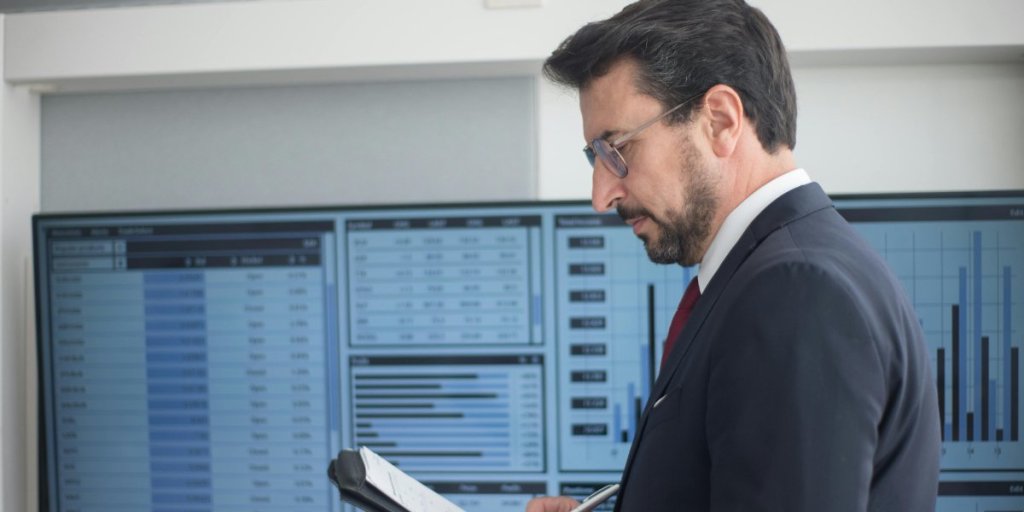
Data informs. Intuition decides.
You sit in the meeting. The numbers point one way. Everyone nods. And still, something in you hesitates.
You want to be rational. And at the same time, you don't fully trust what the numbers are telling you.
Most senior leaders have been trained to trust analysis. More data, more rigor, more certainty. But when it comes to the decisions that shape a career, a team, or a company's next five years, the data alone rarely gives you the answer. Something else is needed.
The best leaders don't choose between analysis and intuition. They know when to use each.
Two Types of Problems, Two Ways of Thinking
Not every decision is the same. Some problems are analytical. You can break them into parts, measure each part, and add them back together. A budget calculation, a cost comparison, an investment return. These are best solved by your analytical mind.
Other problems are different. There are too many variables to measure. Emotion, relationships, long-term direction, and vision all play a role. The whole is bigger than the sum of its parts. Choosing a successor. Setting the direction for the next decade. Hiring a senior leader whose impact you can only partly predict.
Trying to solve these with only analysis is one of the most common mistakes senior leaders make. You end up with a decision that looks defensible on paper but feels wrong in the room. Six months later, you see why.
Why Intuition Gets Dismissed
Under pressure, most leaders default to analysis. It feels safer. But it is not always wiser.
You can point to the numbers. You can defend the process. Intuition, by contrast, feels unreliable. Soft. Hard to justify in a boardroom.
But intuition is not guessing. It is pattern recognition built on years of experience, thousands of observations, and countless conversations. Your mind processes all of that in the background, faster than analytical thinking can, and delivers the answer as a knowing. A sense. A quiet certainty that arrives while you're walking, showering, or waking up.
Intuition gets dismissed not because it's unreliable. It's because a noisy autopilot mind drowns it out. When the hyper rational part is loud, when the pressure to be certain is high, intuition's whisper cannot be heard.
Is It Intuition or a Saboteur?
Not every gut feeling is wisdom. Sometimes what feels like intuition is actually fear, ambition, or old conditioning dressed up as insight.
A simple test: check the emotional signature. If the whisper comes with urgency, anxiety, blame, or self-doubt, it is a Saboteur part. If it comes with calm, clarity, curiosity, or compassion, it is genuine wisdom.
You feel a pull to move fast on a decision. Is that your Sage knowing, or the Restless part pushing you to escape discomfort?
The Hyper-Vigilant part sounds the alarm even when there is no real threat. The Judge part whispers that you're not ready, not good enough, not qualified. None of these are intuition. They are patterns that once protected you but now cloud your thinking. Real intuition feels different. It is steady, not urgent. It doesn't argue. It simply knows.
Three Steps to Make Wiser Decisions
- Feed the mind with facts. Intuition is not magic. It uses everything you know. Do the analytical work first. Gather the data, understand the context, and be as informed as you reasonably can be. Your intuition will use that foundation.
- Quiet the mind to access wisdom. Analysis responds to force. Intuition requires space. After you've gathered what you need, stop pushing for the answer. Take a walk. Sleep on it. Reset, spend a few minutes with your breath. The clearest insights often arrive when you stop chasing them.
- Check the emotional signature. When a direction emerges, ask what it feels like. Calm and clear? Trust it. Urgent, anxious, or defensive? Pause. Give it another night. The answer that stays with you through calm is usually the wise one.
Intuition becomes more reliable the more you practice listening for it. Awareness is a muscle. The more you train it, the clearer the signal.
What Wise Leadership Looks Like
Leaders who combine analysis and intuition make different decisions. They move faster on clear-cut issues and slower on complex ones. They trust the numbers where numbers belong, and they trust themselves where the numbers fall short.
Their teams notice the difference. Decisions feel more grounded. Strategy feels more human. People sense that the leader sees the whole picture, not just the data.
Think of a recent decision you approached mostly through analysis. What might your intuition have been trying to tell you?
Your next breakthrough decision probably won't come from more data. It will come from the quiet space where analysis and intuition meet. That is where wisdom lives.
If you'd like to explore how to strengthen both sides of your decision-making, you are welcome to book a complimentary coaching session.
Further Reading
- Positive Intelligence: Why Only 20% Of Teams And Individuals Achieve Their True Potential by Shirzad Chamine
- Thinking, Fast and Slow by Daniel Kahneman
- Down to Earth: Demystify Intuition to Upgrade your Life by Nil Demircubuk
Connect with Janneke van den Berkmortel on LinkedIn.